August 7, 2026
What is Halloween
What Is Halloween?
A holiday that is probably known to a majority of the world's population, whether you celebrate or not, Halloween is known for costumes, pumpkins, trick 'r treating and more. It is a time to celebrate the scary and just have some fun. I have always loved Halloween, but didn't really know the whole story about where it began and why we put on costumes and ask for candy until I actually did some research. Here are all the things that I found:
Halloween is a holiday celebrated every year on October 31. It is a night filled with costumes, candy, carved pumpkins, spooky decorations and parties. Children go trick-or-treating, adults attend costume events and neighborhoods decorate their homes with ghosts, skeletons, witches and other creepy characters.
Today, Halloween is mostly associated with fun. However, the holiday has a long history that includes ancient traditions, religious observances and customs brought together from different parts of the world.
When Is Halloween?
Halloween always takes place on October 31. The date falls on a different day of the week each year, but the celebration remains the same.
Many Halloween activities begin well before October 31. Pumpkin patches, haunted houses, costume parties and community festivals often start in late September or early October. When Halloween falls during the week, some larger parties and public events may take place on the weekends before or after the holiday.
Where Did Halloween Come From?
The history of Halloween can be traced back more than 2,000 years to an ancient Celtic festival called Samhain. It was celebrated in areas that are now Ireland, Scotland and parts of the United Kingdom.
Samhain marked the end of the harvest season and the beginning of winter. People believed the boundary between the living and the dead became less clear during this time. Large fires were lit, and people wore disguises that may have been intended to protect them from spirits.
Over time, some of these customs became connected with Christian holidays. November 1 became known as All Saints’ Day, which was also called All Hallows’ Day. The evening before it was known as All Hallows’ Eve. That name was eventually shortened to Halloween.
The modern holiday was also shaped by traditions brought to the United States by immigrants, especially those from Ireland and Scotland. As Halloween became more popular in America, it gradually developed into the community-centered celebration that people recognize today.
Why Do People Wear Halloween Costumes?
Costumes are one of the most recognizable parts of Halloween. The tradition may be connected to the old practice of wearing disguises during seasonal celebrations. Some people believed that disguises could confuse or protect them from wandering spirits.
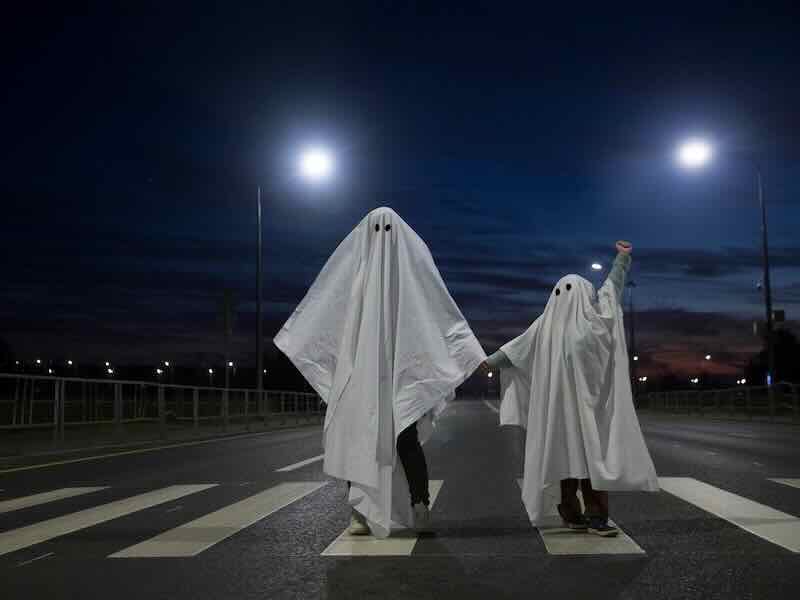
Modern Halloween costumes can be almost anything. Traditional choices include witches, vampires, ghosts, monsters and skeletons. People also dress as movie characters, athletes, musicians, animals, superheroes and funny versions of everyday objects. And every year there are always some really cool or really funny costumes that appear due to pop culture. If you want to have a unique costume this year, just look over the major events in the last year and put together something awesome.
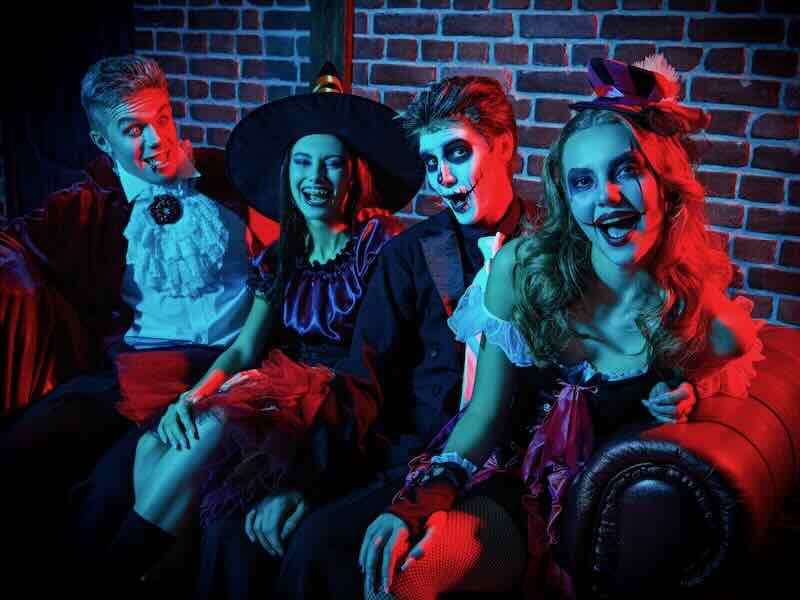
Costume parties and contests have made dressing up popular with adults as well as children. For many people, Halloween is a chance to be creative, make people laugh or temporarily become a favorite character.
What Is Trick-or-Treating?
Trick-or-treating is a Halloween tradition in which children wear costumes and visit homes in their neighborhood. They knock on doors, say “trick or treat” and receive candy or other small surprises.
The tradition has connections to several older customs. In parts of Europe, people once went from house to house asking for food in exchange for prayers, songs or performances. Similar practices changed over time and eventually helped shape modern trick-or-treating.
In the United States, trick-or-treating became especially popular during the 20th century. Today, it remains one of the biggest parts of Halloween for families. Some schools, shopping areas and community organizations also hold “trunk-or-treat” events, where children collect candy from decorated car trunks in a supervised location.
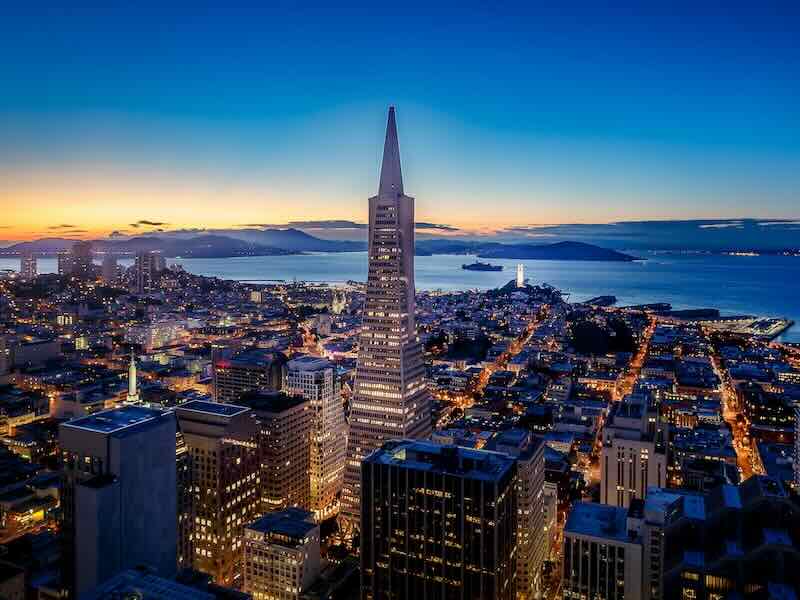
San Francisco has some epic streets for Trick or Treating like Avila Street and some spots in Pacific Heights and Noe Valley. The neighborhoods go all out for the holiday, so if you have kids, make sure to take them.
Why Are Pumpkins Associated With Halloween?
The carved Halloween pumpkin is commonly known as a jack-o’-lantern. People empty the inside of a pumpkin, decorate the outside with a face or design and place a light inside.
Jack-o’-lanterns are connected to Irish folklore and an old story about a character named Stingy Jack. In Ireland and Scotland, people carved turnips and other root vegetables. When immigrants brought the tradition to North America, pumpkins became the preferred choice because they were larger, easier to work with and widely available during the fall.
Pumpkins are now used for much more than jack-o’-lanterns. They appear in home decorations, desserts, drinks, farm festivals and pumpkin patch activities throughout the season.
Common Halloween Symbols
Halloween has a collection of symbols that help give the holiday its spooky appearance. Many of them come from folklore, seasonal changes or old superstitions.
Common Halloween symbols include:
Ghosts
Witches
Black cats
Bats
Spiders and spiderwebs
Skeletons
Vampires
Zombies
Full moons
Haunted houses
Scarecrows
Orange and black decorations
Orange is often connected to pumpkins, autumn leaves and the fall harvest. Black is associated with darkness, nighttime and mystery.
How Do People Celebrate Halloween?
There is no single way to celebrate Halloween. Some activities are designed for young children, while others are intended for teenagers or adults.
Popular Halloween activities include:
Going trick-or-treating
Wearing a costume
Attending a costume party
Visiting a pumpkin patch
Going through a haunted house
Watching scary movies
Decorating a home or yard
Telling ghost stories
Attending a Halloween parade
Visiting a corn maze
Joining a pub crawl
Entering a costume contest
Making Halloween-themed food and drinks
Families may choose friendly activities with colorful decorations and mild scares. Adults might attend concerts, nightclub parties, pub crawls or elaborate costume events. Horror fans may prefer haunted attractions, ghost tours and movie marathons.
Halloween Food and Candy
Candy is one of the biggest parts of modern Halloween. Stores begin selling large bags of individually wrapped treats weeks before October 31. Chocolate bars, fruit-flavored candy, lollipops and candy corn are among the usual choices.
Halloween food can also include caramel apples, popcorn balls, pumpkin bread, cupcakes and cookies decorated like ghosts or monsters. Parties often serve dishes with funny or spooky names. Seasonal flavors such as pumpkin, cinnamon, apple and caramel are especially popular.
Is Halloween Only for Children?
Halloween is often seen as a children’s holiday because of trick-or-treating, but people of all ages take part.
Adults celebrate by decorating their homes, attending parties, watching horror movies, visiting haunted attractions and wearing costumes. Many cities hold large public events that include parades, concerts, bar crawls and nightlife celebrations.
Some people enjoy Halloween without participating in its scarier traditions. They may visit a farm, make seasonal treats, decorate pumpkins or attend a family festival. The holiday can be as relaxed, playful or frightening as each person wants it to be.
Halloween Around the World
Halloween is especially popular in the United States, Canada, Ireland and the United Kingdom. It is also celebrated in many other countries, although local customs can be different.
In some places, Halloween is mainly a commercial or entertainment event. In others, it appears alongside separate holidays that remember deceased family members or honor religious traditions.
Halloween should not be confused with Día de los Muertos, or the Day of the Dead. Día de los Muertos is a distinct Mexican tradition that honors loved ones who have died. The celebrations occur around a similar time of year and may share some visual elements, but they have different meanings and histories.
Why Is Halloween So Popular?
Halloween offers something for almost everyone. Children get candy and the excitement of wearing a costume. Adults get an excuse to attend a party, decorate, watch scary movies or enjoy a night out. Communities can bring people together through festivals, parades and neighborhood activities.
It is also a holiday with few fixed rules. A person can create a frightening costume, wear something funny, host a quiet movie night or attend a major public celebration. That flexibility has helped Halloween become one of the most anticipated nights of the year.
At its core, Halloween is a combination of old traditions and modern entertainment. It has changed greatly over the centuries, but it continues to be a night when people can use their imagination, face a few playful scares and enjoy the strange side of the season.